
Hi there!
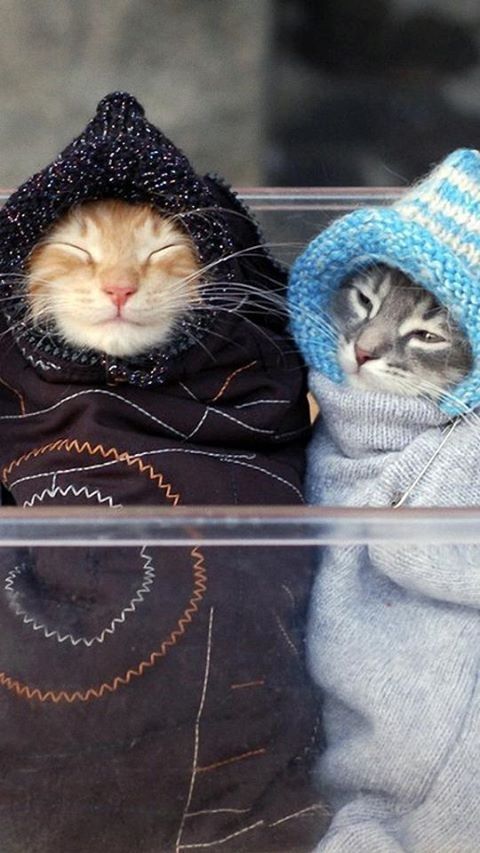
First off, happy new month, I know it’s a chilly one.
This July, we’re focusing on the environment and its impact on health. From air quality to water safety to temperature shifts, our surroundings influence our well-being more than we sometimes realise.
To kick us off, I want to explore something I always love debating:
Is there a link between cold weather and catching a cold?
Let’s start with where I am right now: Kajiado. It’s COLD. Like wrapping yourself in three blankets, take hot beverages and pray, kind of cold. And every time the temperatures drop, the one thing I fear most? Catching a cold.
But… does cold weather cause colds? Or is that just another seasonal myth?
What Really Causes Colds and the Flu?
The common cold and flu (influenza) are both respiratory illnesses caused by viruses. But they’re not the same:
- The flu hits harder and faster, with symptoms such as fever, chills, muscle aches, and fatigue.
- The common cold is milder, often accompanied by symptoms such as sneezing, a sore throat, and a runny nose, and develops more gradually.
The most common virus behind colds is the rhinovirus, responsible for nearly 50% of cold-like illnesses. These viruses spread through:
- Airborne droplets (when someone coughs, sneezes, or even talks)
- Touching contaminated surfaces and then touching your eyes, nose, or mouth, i.e. the T-Zone.
So, here’s the real deal: Cold weather doesn’t cause colds. It just creates the perfect conditions for them to spread.
So why do we get sick when it gets colder?
For various reasons:
- Increased indoor time increases the chances of close contact and the spread of airborne diseases.
- Cold, dry air dries up the nasal cavity, making us more vulnerable to infections. Research also suggests that cold temperatures can impair the body’s ability to protect itself
- Some viruses thrive in cold weather; they replicate more easily, making them more transferable.
- Winter/ the cold season comes with less sunlight, bringing about vitamin D deficiency that also weakens the immune system.
So while the cold won’t infect you, it just creates an environment for a cold to thrive.
How can you stay healthy?
- Keep the air in open spaces fresh, especially in public areas. In Kenya, when it gets colder, we close windows and trap air, which isn’t healthy. So don’t be afraid, let the fresh air in.
- Wash your hands regularly. I think after COVID, this became a forgotten art. This is a key intervention in the prevention of many diseases, so always wash or sanitise your hands.
- Hydrate: Those 8 glasses of water that are recommended are very crucial. You’d be surprised how much drinking enough water can protect your body.
- Layer up, but avoid overheating in thick clothes, as they will likely cause you to sweat and catch a chill when you remove them.
- Lastly, boost your immunity. Eat healthy, balanced meals that include a variety of fruits and vegetables.
My Final Thoughts!
This topic may seem simple, but it’s a great reminder that health isn’t just personal; it’s also environmental. From the air we breathe to how our homes are ventilated, even the most minor details matter.
So next time someone says, “It’s the cold that made me sick,” you can confidently say:
“Actually… the cold helped the virus, but it didn’t cause the sickness.”
Comment your tips and tricks for staying healthy during this season. Don’t forget to share and like this post as well. Let’s meet on our next heart-to-heart conversation. Stay warm, stay smart, and stay healthy this season


 Heart to Heart... and other body parts
Leave a comment