
Hey you, welcome back to my blog and if you’re new here, welcome! We have plenty of room for you. 😊
Just the other day, I was reflecting on what I should do differently during the last quarter of the year, but alas, it’s already coming to an end. The end of the year is usually a time to wind down and reflect. And with that spirit, I’ve been reflecting on something that often gets lost in public health conversations.
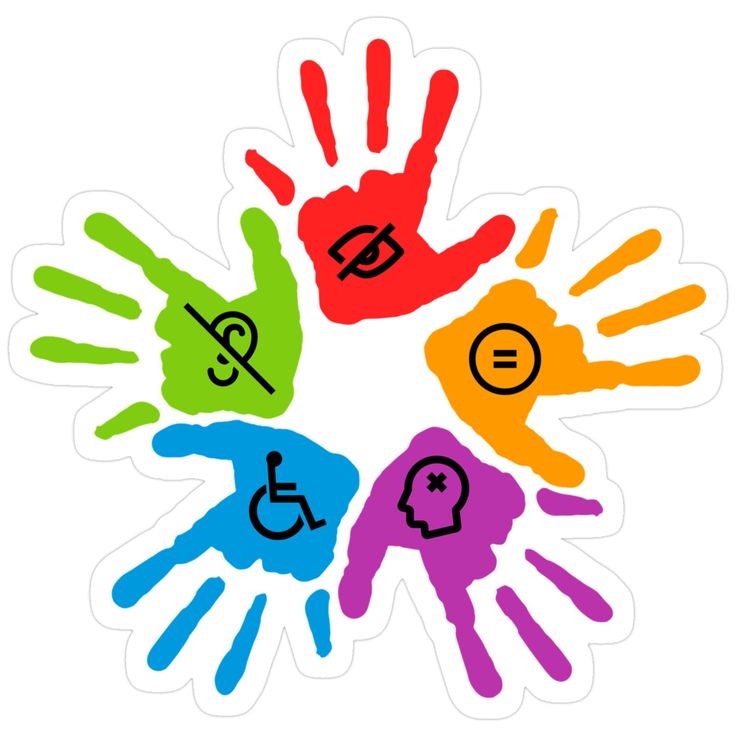
A significant gap that affects progress in this country is access to resources. In my context (Kenya), I am aware that we still face challenges in accessing clinics, programs, and education. But when I go further, I begin to realise how inclusion has been left behind, even on the road to improving accessibility. It’s one thing to build a clinic. Still, it’s another to ensure that a person with disabilities or a critically ill person can access it with a wheelchair, that she can be understood by the nurse, and receive care without judgment. Access opens the door, but inclusion will keep it open for everyone.
Access vs Inclusion.
Access, according to public health, refers to the opportunity to receive and obtain care promptly to achieve the best possible health outcomes. Access is availability, affordability, accommodation, geographic accessibility and appropriateness. Inclusion, on the other hand, is ensuring everyone, regardless of background or social status, has equitable access to healthcare and feels valued and respected within the health system.
Access should come with inclusion to ensure that the health system is sustainable. It addresses health inequities and ensures that marginalised groups receive accessible and appropriate healthcare according to their needs. To achieve the best possible health outcomes for all individuals, inclusion is essential to develop more effective plans and foster stronger, more trusting relationships between healthcare providers and communities.
Why is it important?
In many healthcare settings, including hospitals, community programs, and awareness campaigns, people are still left out. Sometimes it’s not intentional, it’s structural. From having forms only in English, having waiting rooms that aren’t friendly to caregivers with children, even clinics that send youths away to come back with an adult when seeking reproductive health services or as simple as only sending text messages to program participants. These are just a few ways in which exclusion can occur, even in systems that claim to be accessible.
We build services that technically ‘serve all’ but forget that equal opportunity doesn’t mean equal experience. That’s why I am a firm believer in equity over equality. It ensures that everyone is treated, well, equally and that we all have different realities, thereby providing everyone with the resources they need to achieve the same outcome as everyone else.
- Inclusion addresses systematic barriers dismantling that lead to poorer health outcomes for marginalised groups, i.e. race, gender, disability and socioeconomic status.
- It improves health equity, guaranteeing equal access to high-quality care, prevention and treatment.
- It enhances patient engagement- When individuals feel respected and included, they are more likely to participate actively, follow advice and attend follow-up appointments.
- Leads to more effective care– When we understand patients and communities’ unique needs, preferences and cultural backgrounds, we create more personalised and effective healthcare plans.
- Strengthens community trust– Public health is a community-centred approach. Therefore, it is necessary to build trust with the communities we serve. Being inclusive will build that trust.
- Improves workforce- We are a very diverse community. Ensuring inclusion is at the forefront will serve the needs of this population, helping to create a workforce that understands the needs of the population.
Reflection.
Inclusion is a critical aspect of health provision. It ensures that the service being provided is holistic and that it understands its people. It goes beyond policy, it touches on dignity, safety and trust. If I don’t feel seen or respected, I will withdraw, I won’t show up for the health service, I will stop sharing information, and I will lose faith in the systems that have been made.
That is how public health systems break down. You could have a fantastic program providing menstrual health management (MHM) services. But if you don’t consider all the cultural aspects surrounding MHM in the area, your program will fall off completely.
So, we must rethink the small things:
- Translating health information into local dialects.
- Using informal ways to send information, not only in digital spaces.
- Training workers on disability and gender sensitivity.
To mention a few. It’s not about perfect implementation; it’s just about being intentional.
As we continue the conversation on sustainability and universal health coverage, we cannot rely solely on clinics, programs, or policies. We must count experiences, including who feels welcome and who doesn’t, and why.
‘Human beings are social creatures, and this principle shows that we do require feelings of belonging and inclusion.’
I’d love to hear your thoughts on this topic. If you have any practical examples of how inclusion helped programming, please share them in the comments. If you enjoyed this piece, don’t forget to like the post and share it with your circle. Also, subscribe to be notified of my next post.
Until our next heart-to-heart conversation……….

 Heart to Heart... and other body parts
Leave a comment