
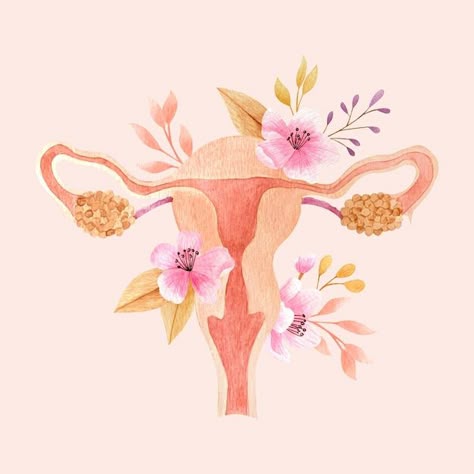
Hello and welcome back to the home of candid Heart-to-Heart (and other body parts) conversations. First, I want to express my gratitude for all the support on my first post, it truly means a lot.
Now, imagine waking up every day with excruciating pain but it being constantly ignored or even sometimes being labelled as dramatic and over reactive. This is the reality for countless women living with endometriosis, a condition that goes far beyond painful periods. It is a chronic disease often accompanied by severe pain, late diagnosis, lack of awareness, lacking research and mental health strain. Endometriosis affects 1 in 10 women worldwide, yet it remains largely misunderstood. So, why do so many women suffer from it without getting relief, let’s find out!
What is Endometriosis?
Endometriosis is a condition where tissue similar to the uterus lining occurs outside the uterus. Often it is found around the pelvic region (ovaries, fallopian tube, outside the uterus) but it can also occur in the intestines, lungs and bladder. It can cause painful lesions (damage to tissue), cysts (sacs) and blockage of the fallopian tubes. Its most common symptom is pelvic pain not just regular period pain as women who suffer from it often describe it as feeling like ‘barbed wire wrapping around their organs’ which is far beyond the definition of the latter.
Other symptoms and effects of the condition are:
- Pain during sex
- Painful bowel movements and urination.
- Excessive bloating
- Heavy bleeding during period or spotting in between.
- Infertility
- Diarrhea and constipation.
- fatigue
Diagnosis delays.
For many patients, it can take 7 to 10 years, to diagnose the disease after having the first symptoms. But why does it take so long?
- The symptoms vary and sometimes mimic other conditions such as ovarian cysts, pelvic inflammatory disease (affects female reproductive organs), and irritable bowel disease (IBS) (gastrointestinal disorder).
- In many countries the general public and most front-line healthcare providers are not aware that distressing and life-altering pelvic pain is not normal so it is dismissed as normal period pain.
- Compared to any other disease there is no non-invasive method to diagnose it. Diagnosis is only confirmed during laparoscopic surgery which is not easily accessible.
With these delays, women can end up visiting different doctors and going through different failed treatment options for relief, as their condition worsens. When they finally receive an accurate diagnosis of endometriosis, their condition has often progressed to the point of infertility, persistent pain, or even complications with vital organs such as the bowel and bladder.
Impact.
Perhaps the worst aspect of living with endometriosis is the societal dismissal of pain. Terms like “It’s just a period,” or “Everyone gets cramps” can be very disheartening. The reality is this pain is severe enough to interfere with day to day lives. It can be difficult to work, attend school or engage in social activities. Beyond pain, living with endometriosis takes a toll on mental health. Living with undiagnosed pain can cause a lot of anxiety, depression and isolation. Infertility; a potential outcome of the distress, can further contribute to the emotional distress
Adding to this struggle is the medical gaslighting that many women experience when seeking help. The lack of awareness, combined with the stigma around menstruation, discourages open conversations, leaving many women to suffer in silence while the disease progresses.
This silent suffering also carries a significant economic burden. Consider the lost workdays due to debilitating pain, the high costs of specialist consultations, surgeries, and ongoing treatments, and the potential impact on career progression. These factors create a financial strain that compounds the already overwhelming physical and emotional challenges.
So, what needs to change?
While researching on this topic, it was evidently clear how underfunded and under researched endometriosis is. Currently, there is no cure for endometriosis and the treatments available are often limited. Standard options like painkillers, hormonal therapies and surgeries such as laparoscopy may provide short-term relief but rarely offer lasting solutions. I am posting this because like other conditions I would love to see more research being done for the disease.
March is Endometriosis awareness month. It is important to use this opportunity to be vocal about the disease. There should be better education especially for medical professionals and improved awareness among the public. I would also encourage women to talk more about periods because when we share, we can open up conversations on how PAIN IS NOT NORMAL. The stigma around endometriosis is mainly due to the stigma surrounding periods. Speaking up can bring up awareness on even the economic burden of the disease as we have seen it’s not just about a period; it’s a day-to-day struggle which can incapacitate you.
Living with endometriosis is a daily battle, but it doesn’t have to be a silent one. By breaking the silence and challenging the stigma, we can empower women to seek the help they need and live fulfilling lives, despite the challenges they face. Your stories and experiences are valid, and are welcome here.
This has been such a heavy topic to digest and I hope you did learn something. I’d love to hear your thoughts on this topic so don’t be shy to leave a comment. Lastly, remember to like and share this post.
Until our next Heart to Heart (and other body parts) session, it’s been great having you.
Disclaimer: This information is for educational purposes only and is not a substitute for professional medical advice. Always consult with a qualified healthcare provider for personalized guidance.
By Joan Bulinji Machanje
References.
NHS, 2024. Laparoscopy. Available at: https://www.nhs.uk/conditions/laparoscopy/
Cleveland Clinic, 2024. Endometriosis. Available at: https://my.clevelandclinic.org/health/diseases/10857-endometriosis
Times of India, 2024. Why endometriosis remains a silent struggle for millions: The need for better awareness. Available at: https://timesofindia.indiatimes.com/life-style/health-fitness/health-news/why-endometriosis-remains-a-silent-struggle-for-millions-the-need-for-better-awareness/articleshow/116259519.cms
UT Southwestern Medical Center, 2024. Breaking the silence: Endometriosis. Available at: https://utswmed.org/medblog/breaking-the-silence-endometriosis
Facchin, F., Barbara, G., Saita, E., Mosconi, P., Roberto, A., Fedele, L. and Vercellini, P., 2015. Impact of endometriosis on quality of life and mental health: Pelvic pain makes the difference. Journal of Psychosomatic Obstetrics & Gynecology, 36(4), pp.135–141. DOI: 10.3109/0167482X.2015.1074173.
World Health Organization (WHO), 2024. Endometriosis. Available at: https://www.who.int/news-room/fact-sheets/detail/endometriosis


 Heart to Heart... and other body parts
Leave a reply to Dennis Onserio Cancel reply